14 min. reading

Author: Aneta
❧ Imagine this…
The workload is crushing you like Sisyphus’s boulder, and just thinking about deadlines tightens your throat.
To make matters worse, your stomach is growling but you’ve got no time to cook. You’ve already scarfed down a yogurt that expired last month, and all that’s left in the fridge is ketchup and a jar of pickles 🥒
So what do you do? You hop on your favorite food delivery site to order something quick and easy, because leaving the house is out of the question. You fire up your browser and—bam! Error 404. Page not found. Uh-oh. Okay, maybe the kebab shop around the corner? You’ll just grab their number from their website. You type it in, hit enter and… déjà vu. Another error.
What’s happening? Did you just open a portal straight into the Middle Ages?

Welcome to a world with no websites at all 😱
Sounds like a nightmare, doesn’t it?
❧ The Website Development Process: Step by Step
It’s nearly impossible to imagine a business that doesn’t live online.
A dedicated website with all the essential brand info in one place is one of the cornerstones of success! Well… unless you sell cemetery candles. That industry isn’t exactly threatened by digital disruption.
But how does building a website actually look? One that not only fulfills its purpose but also wows with stunning design and makes people gasp in admiration?
We’ve put together the complete Kryptonum-style process of designing a modern website—from first sketches to full deployment. Dive into the secrets of the digital world and see how we craft websites that make jaws drop and trigger spontaneous “WOWs!”
❧ Stage 1: The Strategic Workshop
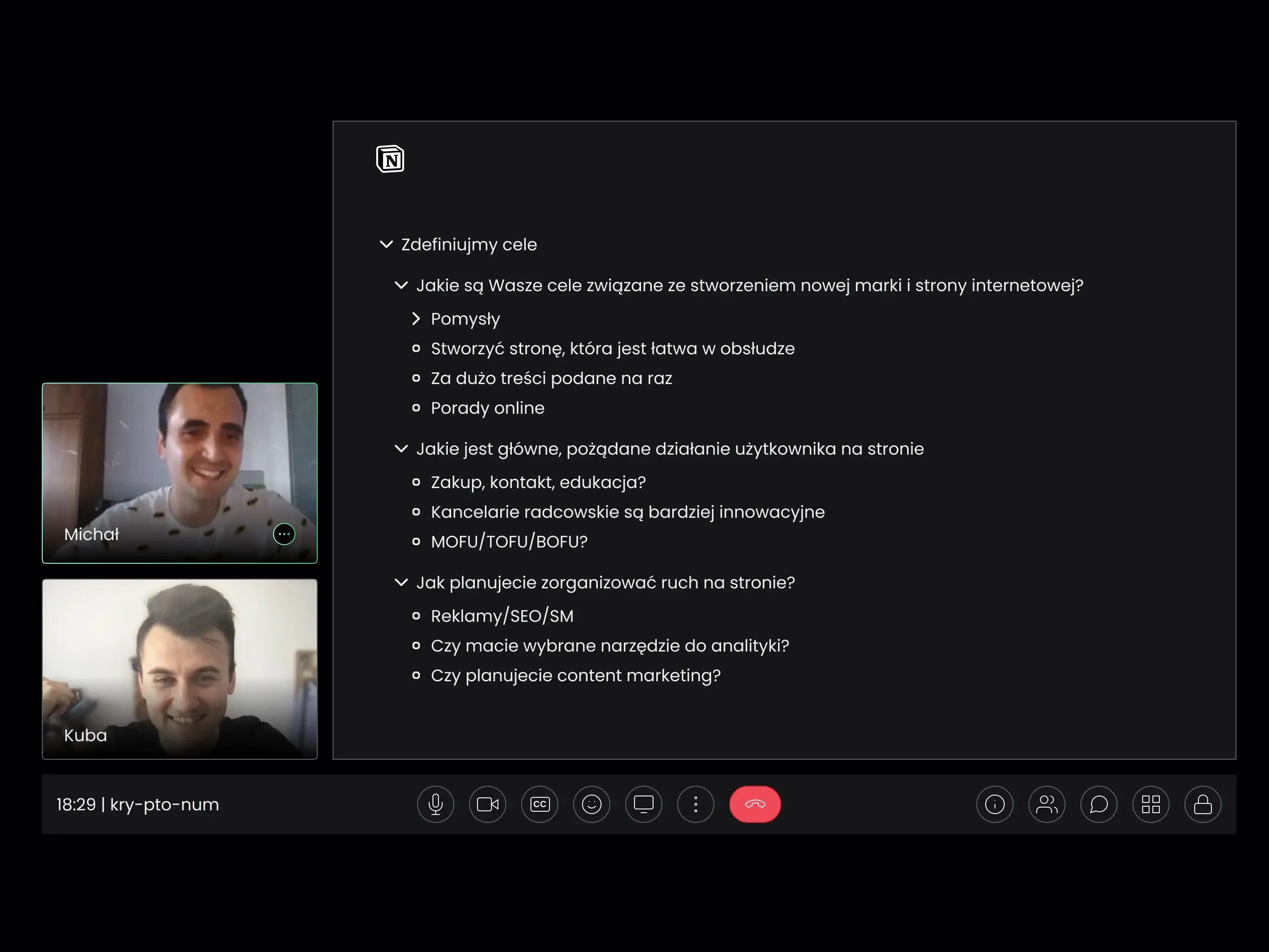
Creating a 21st-century website is no walk in the park. Luckily, at Kryptonum we’ve got a secret weapon: strategic workshops.
Starting big means digging deep. A proper workshop is where we define the purpose of your site, the audience you want to reach, the features it needs, and the type of content it should deliver. A great website is much more than just picking a domain name, a color palette, or a trendy font.
The foundation?
- Clear business goals.
- A solid understanding of your target audience.
- Defining what content and functionality will meet their expectations.
❧ Are you a business shark 🦈 with years of experience?
Perfect! You probably know your target audience inside-out and already have a strategy in place. That’s a huge advantage—your business ABCs are solid, and you know what works.
In this case, working with an agency helps you streamline your communication and branding, while launching a website that propels your brand to cosmic heights. A team of specialists handles everything, leaving you free to focus on what matters most—profits 💸
❧🐣 Just starting out and testing the waters of entrepreneurship?
No worries! Analyzing strategy and finding your brand’s direction can feel overwhelming, but you don’t have to go it alone. At Kryptonum, Kuba and Michał live and breathe online business. They’ll research your market, industry, and competitors—helping your brand shine ✨ against the crowd.
At this stage, it’s also crucial to establish your budget. Remember, your website will be the core of your business—it’s a long-term investment, not a quick fix.
Defining these factors early saves you from headaches down the road. When it comes to business, YOLO is rarely a good strategy 🤪
Feeling swamped by the mountain of info you think you need before hiring someone? Relax. At Kryptonum, every project begins with strategic workshops. We know exactly what to ask to uncover your goals, requirements, and needs—so together, we can build not just a website, but a successful business.

❧ Stage 2: Graphic Design & Visual Identity
The next step? Designing the look and feel of your website. This is where your brand’s future style, layout, and vibe are brought to life.
Think of it like shopping at a farmer’s market for the perfect ingredients. You need everything fresh, vibrant, and top-quality—only then can you cook up something delicious.
Before diving into actual design, we create a consistent visual identity. Picking fonts and colors isn’t just a “whatever feels nice” moment. Psychology of color, readability, usability, and UI/UX best practices all come into play.
The goal? An attractive, intuitive interface that stays true to the strategy we defined earlier. One that makes visitors think: “Okay, these guys know what they’re doing.”
Here’s how we break down the design process 👇🏻
-
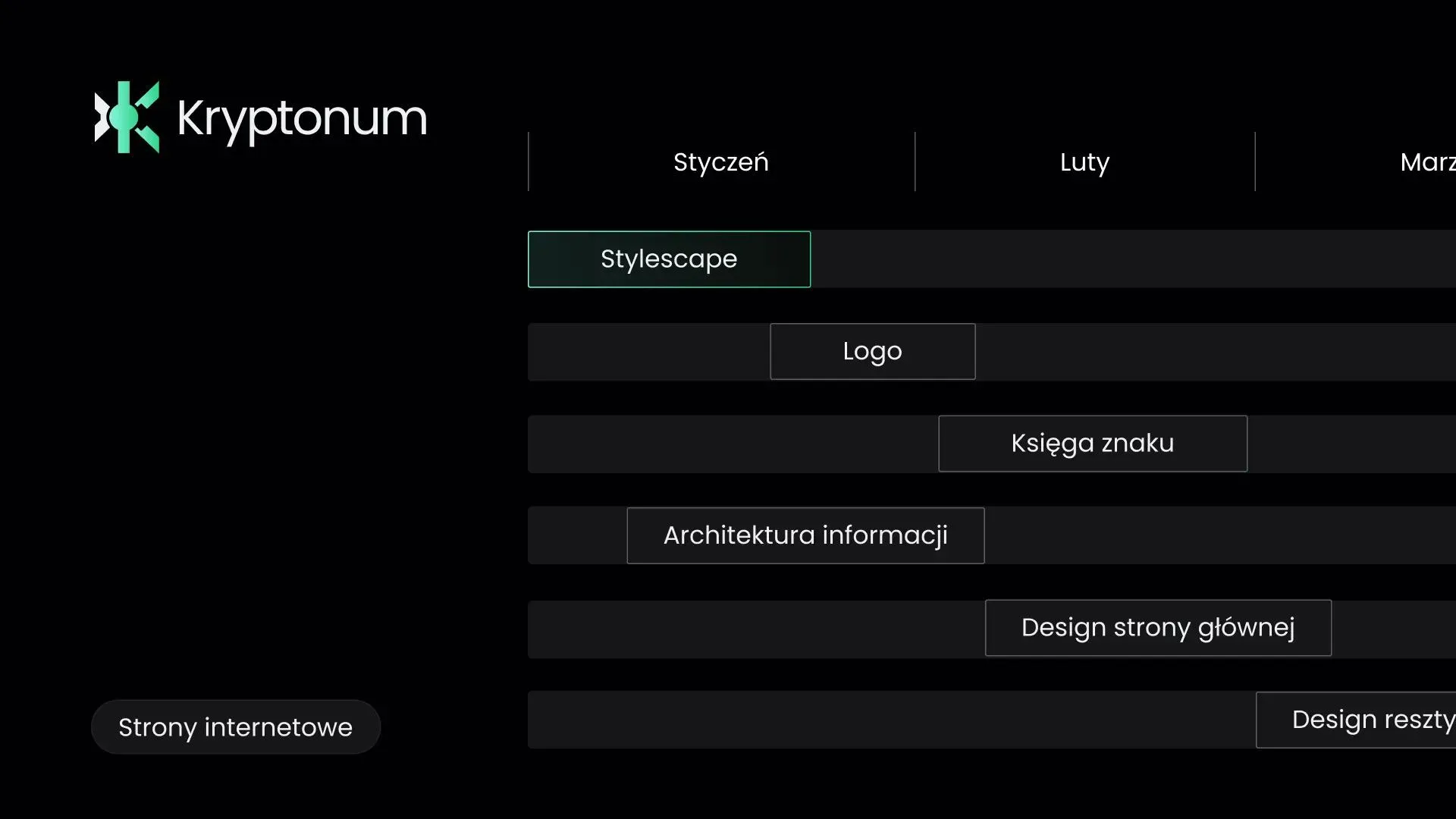
Stylescape
This is where the visual magic happens. Whether you already have a vision in your head or you’re starting from scratch, we’ll explore colors, typography, imagery, animations, and overall style during workshops. We’ll then distill your preferences into three visual directions—so you get a taste of what’s possible. Can’t decide? No problem! We can mix and match elements from multiple versions until it feels just right.
-
Logo
Nothing excites us more than creating a fresh visual identity from scratch. We’ll prepare several logo concepts for you. Already have one? Awesome—we can refresh it so it fits your new branding. Either way, the final logo will be versatile, future-proof, and ready for use across all platforms and formats.
-
Brandbook
Your logo isn’t just a pretty picture—it’s a system. We’ll document every detail: what each element means, how to use it properly, and what not to do with it. With clear guidelines, you’ll avoid branding faux pas and keep your image sharp and consistent.
-
Information Architecture
Here’s where we sketch out the structure of your future site: subpages, features, and user journeys. We’ll define what content goes where, how CTAs are placed, and the initial copy flow—all guided by UX best practices.
-
Homepage Design
With structure and visual direction in place, we build the homepage mockup. This is our creative playground—the sandbox where design ideas come to life. We also set up a design system, typography, and reusable components to ensure a smooth workflow later on.
-
Subpage Design
Once the homepage is approved, we go all-in. Every subpage gets designed to match your branding and provide a seamless, intuitive user experience. The end result? A complete, cohesive design that’s both beautiful and functional.
And here’s one crucial thing you can’t forget during this stage: responsiveness. Your website has to adapt perfectly across all devices, right from the start. A site that breaks on mobile? That’s a developer’s worst faux pas.
❧ Stage 3: Building a Fully Responsive Website
Responsiveness means your website looks and works flawlessly on every device and screen size. Without it, a modern website simply doesn’t exist.
Did you know that 67.81% of all web traffic comes from mobile devices? That’s why your site must be just as stunning on a smartphone or tablet as it is on a desktop.
If you want a 21st-century website, make sure your agency takes responsiveness seriously. Cutting corners here will only cost you more money—and nerves—later on.
❧ Stage 4: Website Content – Juicy SEO Copywriting
Content is king, and on your website it’s the voice of your brand. Well-crafted copy grabs attention, keeps visitors engaged, and guides them toward taking action—whether it’s subscribing to a newsletter, visiting a key subpage, or making a purchase.
Too often, content is treated as an afterthought. Some business owners skip hiring professionals, thinking “They don’t know my industry like I do.” And that’s exactly where solid research, competitor analysis, and industry insights come in.
Want to provide your own draft copy? No problem—we’ll help you polish it. Our job is to make sure your tone is consistent, persuasive, and easy to digest.
Remember: on websites, less is more. Concise, meaningful copy beats long-winded walls of text any day. Overstuffing a page with paragraphs is overwhelming for users and often counterproductive.
❧ Stage 5: Search Engine Optimization (SEO)
A website that nobody can find in search results is like a store hidden in a basement with no sign outside. SEO ensures your brand doesn’t get lost in the crowd.
A smart move? Launch a company blog. Blogging not only strengthens your authority and showcases your expertise but also naturally weaves in keywords that boost visibility.
But SEO isn’t just about text. Here are key areas to optimize:
-

URL structure
Clear, simple, and keyword-friendly.
-

Keyword placement
Naturally integrated, never forced.
-

Technical SEO
Clean code that search engines can easily understand.
-

Image & video optimization
Lightweight files with alt tags for faster load times and better indexing.
-

Page speed
Every second of delay costs you users.
-

Internal linking
Guide both visitors and Google through your site.
-

Rich snippets & structured data
Make your site stand out in search results.
Done right, SEO makes your site not just visible, but irresistible.
❧ Stage 6: Coding the Homepage & Subpages – Choosing the Right Tech Stack
Now we’re opening the Chamber of Secrets. Once the design is locked in, it’s time for coding.
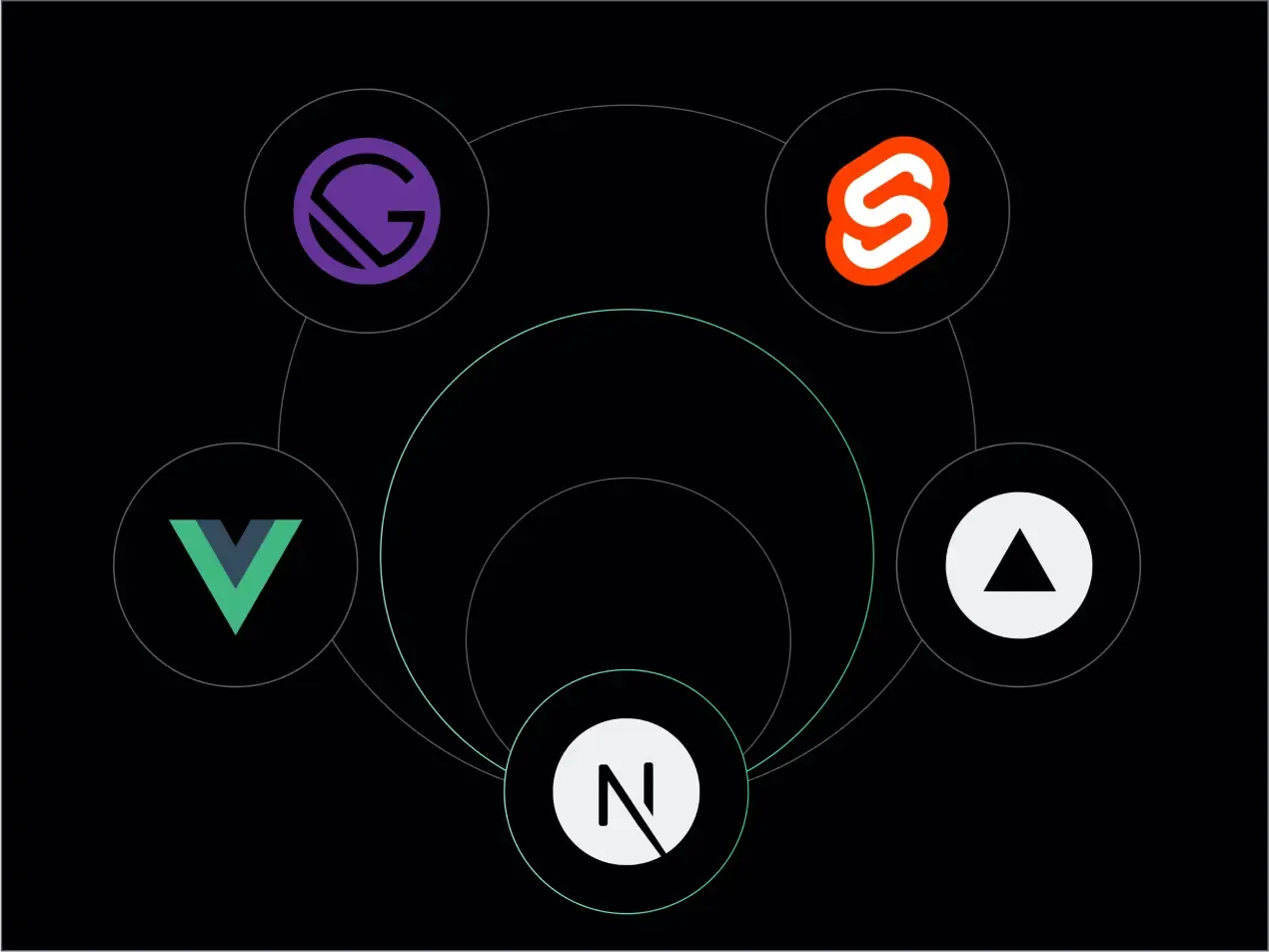
Armed with insights from the strategic workshop, we define the site’s features and choose the best technologies for the job. We have plenty of tools up our sleeve, but the key is to pick the ones that maximize performance and future-proof your site.
Sure, there are cheaper shortcuts—like ready-made templates. But let’s be real: if you want a website built to last, templates can be a risky bet. At first they might seem like a good idea, but when things start breaking, loading slowly, or clashing with updates, you’ll end up spending more money and losing valuable time.
That’s why at Kryptonum we never use templates. Every site we create is tailor-made, perfectly fitted to your business 👚
❧ Stage 7: Adding Features & Integrations – Making Your Site User-Friendly
Sounds complicated? Let’s break it down. A website should not only look good—it must work smoothly.
Imagine your site’s main purpose is lead generation, but the contact form doesn’t deliver messages to your inbox. Or maybe you’re a photographer, but your portfolio images are compressed into a pixelated mess. Who would take your brand seriously then?
First impressions matter. You have only a few seconds to win a visitor’s trust. If your site fails, they’ll run straight to your competitors.
That’s why functionality and user experience are crucial. For e-commerce, the buying process must be seamless—products easy to add to cart, all the key info clear, and no nasty surprises at checkout (unless it’s a discount, of course 😉).
At this stage, we also add integrations that make life easier for your customers. Here are some examples:
-

Integracja płatności
Umożliwia ona dokonywanie płatności za zakupy bezpośrednio na stronie. To podstawa, jeśli Twój biznes wymaga stworzenia e-commerce. Jakie są przykłady narzędzi? Stripe, PayPal, Przelewy24
-

Integracja map
Czyli dodanie interaktywnej mapy, która umożliwia użytkownikom znalezienie lokalizacji bez opuszczania Twojej strony internetowej. Jakie są przykłady narzędzi? Google Maps API, Mapbox, Leaflet
-

Analiza ruchu na stronie
Taka integracja jest bardzo istotna, aby monitorować ruch na stronie, analizować zachowania użytkowników i zbierać dane statystyczne, by na tej podstawie w przyszłości ulepszać stronę. Jakie są przykłady narzędzi? Google Analytics, fathom analytics, Clicky
-

Chat na żywo
To świetna opcja, która umożliwia klientom komunikację na żywo z obsługą klienta. Jakie są przykłady narzędzi? LiveChat, Intercom
-

Newsletter
Integracja ta to zautomatyzowanie wysyłania regularnych maili do klientów. Dzięki niej możesz oszczędzić mnóstwo czasu.Jakie są przykłady narzędzi? MailerLite, Mailchimp
-

E-commerce
Tworzenie sklepu internetowego z funkcjonalnościami takimi jak koszyk zakupowy, zarządzanie produktami, proces zakupu.Jakie są przykłady narzędzi? WooCommerce, Shopify
-

CRM
Zarządzanie relacjami z klientami, zbieranie danych o użytkownikach, śledzenie kontaktów. Taka integracja to zbawienie dla handlowców! Dzięki niej usprawnisz zarządzanie procesami w swojej firmie.Jakie są przykłady narzędzi? HubSpot, pipedrive, Livespace
-

Umawianie wizyt
Pozwala klientom bezproblemowo umawiać wizyty lub rezerwować usługi online – bez konieczności wychodzenia z domu i oczekiwania na odbiór połączenia.Jakie są przykłady narzędzi? Calendly, Calendesk
-

Media społecznościowe
Możliwość udostępniania treści ze strony na platformach takich jak Facebook, Twitter, Instagram. Funkcja ta jest pomocna, jeśli zależy Ci na rozkręceniu social mediów.Jakie są przykłady narzędzi? Meta API, Twitter API
The golden rule? Every feature should be simple, intuitive, and actually useful.
❧ Stage 8: Testing Security, Performance & UX
What makes a great website? It has to be fast, functional, responsive… and safe. 👮🏻♂️
That’s why after development, we put your site through a full-scale checkup. We review everything from semantic code accuracy to accessibility, SEO, performance, and user experience.
We test across different browsers and devices to ensure the design looks and works exactly as intended. Any bugs or hiccups? Fixed before launch.
Optimization also plays a huge role. Sometimes it means compressing images, fine-tuning the code, or leveraging smart caching. And of course—keeping data secure.
Want your business to run like a rocket ship? 🚀 First, make sure your site loads in a blink. Fast load times are the key to a smooth user experience.
After this stage, there’s only one possible outcome: users land on your site, enjoy the smooth ride, and happily hit “buy.”
❧ Stage 9: Website / E-Commerce Launch for Your Business
Every website needs two essentials: a domain and hosting.
The domain is your unique online address.
Hosting is the space where all your website files live.
We’ll help you choose a reliable hosting provider, set up the server, and upload all the site’s files. Then we configure DNS records so your site and emails work flawlessly.

When it comes to hosting, price isn’t everything. It’s also about the right solution: shared servers, dedicated servers, or cloud hosting—depending on your needs.
Before launch, we run through a detailed checklist to make sure every little detail is spot-on. Once everything’s ticked off—boom, your site goes live. 😉
And we don’t leave you hanging. We provide training so you can manage your site, update graphics, and publish SEO-friendly content that fuels your business growth.
At Kryptonum, there’s no room for nasty surprises. We plan for every scenario so your launch is smooth, stress-free, and successful.
❧ Stage 10: Ongoing Support & Website Growth
Think your website is a finished product once it’s launched? Not quite. It’s more like your digital baby—it needs care, feeding, and regular check-ups 👶🏻 (a bit like playing Tamagotchi).
In return, you can expect a steady stream of visitors and a growing number of qualified leads.
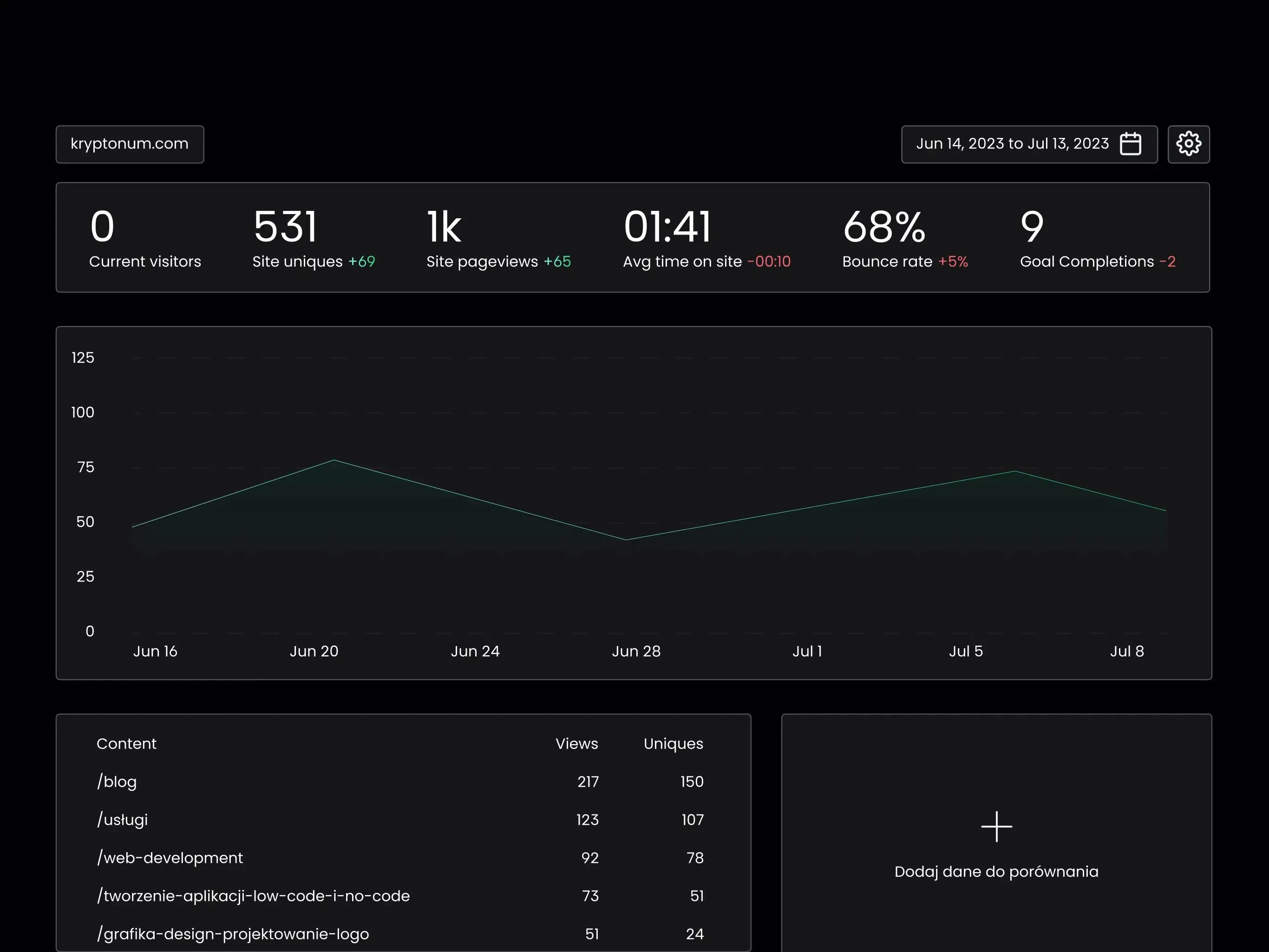
After launch, the real marathon begins. It’s all about monitoring, analyzing, and improving. Regularly tracking your Google Analytics, studying user behavior, and making adjustments keeps your site competitive and effective.
Fresh content is also essential. Publishing valuable, SEO-friendly blog posts and updates not only attracts new visitors but also pleases Google’s crawlers 🤖.
Don’t worry—you don’t have to do this alone. We can help you craft a content funnel tailored to your audience’s pain points and challenges, so your site provides the answers your potential customers are searching for.
The takeaway? A website should never be static. It has to evolve alongside your business and market. Continuous updates and improvements ensure your users always get the best possible experience.
❧ Stage 11: Building a Website Is Just the Beginning – Long-Term Collaboration
So, your dream website is finally live. Yay! Time to pop the champagne and celebrate 🥂 …but also time to promote it.
Advertising campaigns are a smart move, especially when you’re just starting out and don’t yet have a loyal audience. Google Ads and Meta Ads sound confusing? We’ll craft a marketing strategy that gets your business noticed.
Remember, building a website is an iterative process. Every stage matters. Like a line of dominoes—if one piece is off, everything can come crashing down.
That’s why it pays to work with an agency that not only knows design and coding but also understands business, marketing, and sales. That holistic approach ensures your brand is looked after from every angle—and delivers long-lasting results.